Travelling for wellness, thinking about therapy
Southeast Asia has been a draw for me for nearly three decades – having been fortunate enough to visit for both leisure and business on numerous occasions.
I appreciate that this is a privilege that many have not been able to get, so I attempt to – as best as a white Westerner can – write this with humility and appreciation of the opportunities I have been given.
The work trips, inevitably, focused on cocooning myself primarily in the world of conferences and networking, often staying in decent hotels and, as the story-hungry journalist I was back then, being wined and dined by contacts in so-called high-end restaurants.
The visits on my own dime, as our American friends would say, were far more frugal and rewarding.
There have been three of those to Thailand since the mid-1990s, each with a different intention and energy: the first was for a month with a friend from home, with jungle treks, “Full Moon Parties” and a first genuine exposure to a wholly different culture to that of the UK.
The second was with my wife, dipping in and out of the country over the course of a nine-month, rucksack-laden jaunt around Asia; and now, for two weeks, with two adult children for company and celebrating some milestones in the family.
Here in Thailand in 2026, much has changed – for better and worse (an analysis probably better suited for an earnest travel feature in a Sunday newspaper).
Something that has struck me this time (maybe, admittedly, as I’m more tuned in to it) is the broader focus on “wellness”.
Sure, Thailand has always had its beachside masseuses, hammocks strung up under palm trees, and, especially on some of the islands and in jungle villages like Pai, a focus on simply chilling out.
A move to slowing down
Travellers can obviously still party 24/7 (the less commercialised “clubs” tucked away in jungles or on beaches, thankfully, retain much of their underground dance-music energy) and there are tours, cooking classes, diving excursions and numerous other ways to pack plenty of activities into a visit.
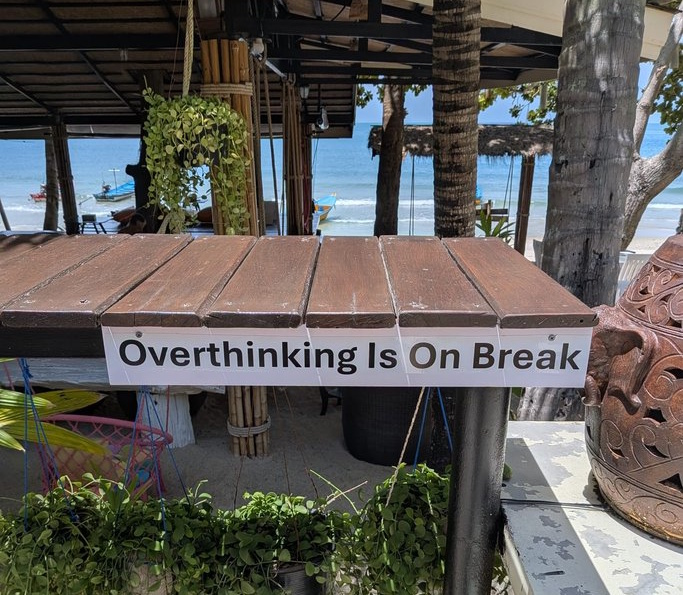
But in many places there is a noticeable push towards appealing to travellers’ desire to slow down, recharge and reflect – a stark contrast to, say, a decade or so ago where hedonism and “finding yourself” via, ahem, shakes or omelettes with special ingredients was a significant part of the general vibe in many of the Thai islands.
In other words, travel wellness has become a growing category in the tourism sector.
It feels like a refreshing shift, perhaps a deliberate attempt to cater for many who wish to escape the mental curveballs that life throws at people, either individually or as collections of communities.
There are yoga events aplenty, mindfulness sessions, meditation lessons, detox programmes, gut health and glycemic balance classes, metabolism resets, consultations with Ayurveda-led physicians, etc.
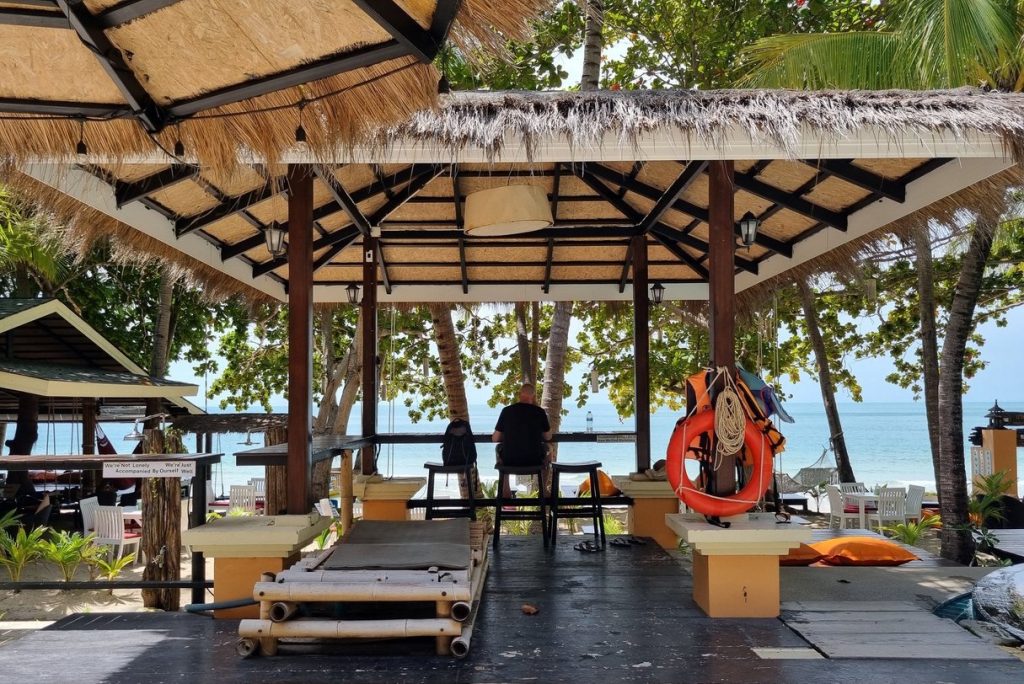
There are accommodation providers where the entire experience is geared around doing very little other than attempting to empty the mind of anxieties, cleansing the body, refocusing on the needs of the self and sharing any sense of calm that emerges with others.
I particularly like those last two elements.
Comparing to the therapeutic journey
Thinking about how to embed these reflective and reenergising experiences into everyday life might feel like a challenge once back into the groove of working or studying, living, being, existing – yet this, in some ways, is what we hope that, as counsellors, our clients might take away from the therapeutic journey they have with us for an hour each week.
We work together as a team to figure out how to instil positive growth into the wider lives of our clients, including their relationships with family, friends and colleagues, alongside how they might want to understand the past, feel in the present and ponder what version of themselves they want to be in the future.
The learnings gained from reflection and understanding ourselves, as difficult as they can sometimes be for clients (no therapist will ever say it’s an easy process), extend into how we see ourselves in the moment, with an emphasis on bringing about therapeutic change over time.
Starting therapy can feel like a big step, but you don’t have to have everything figured out before you begin. Person-centred therapy, which I practice, offers a warm, supportive space where you can talk openly, explore what’s important to you, and feel genuinely heard.
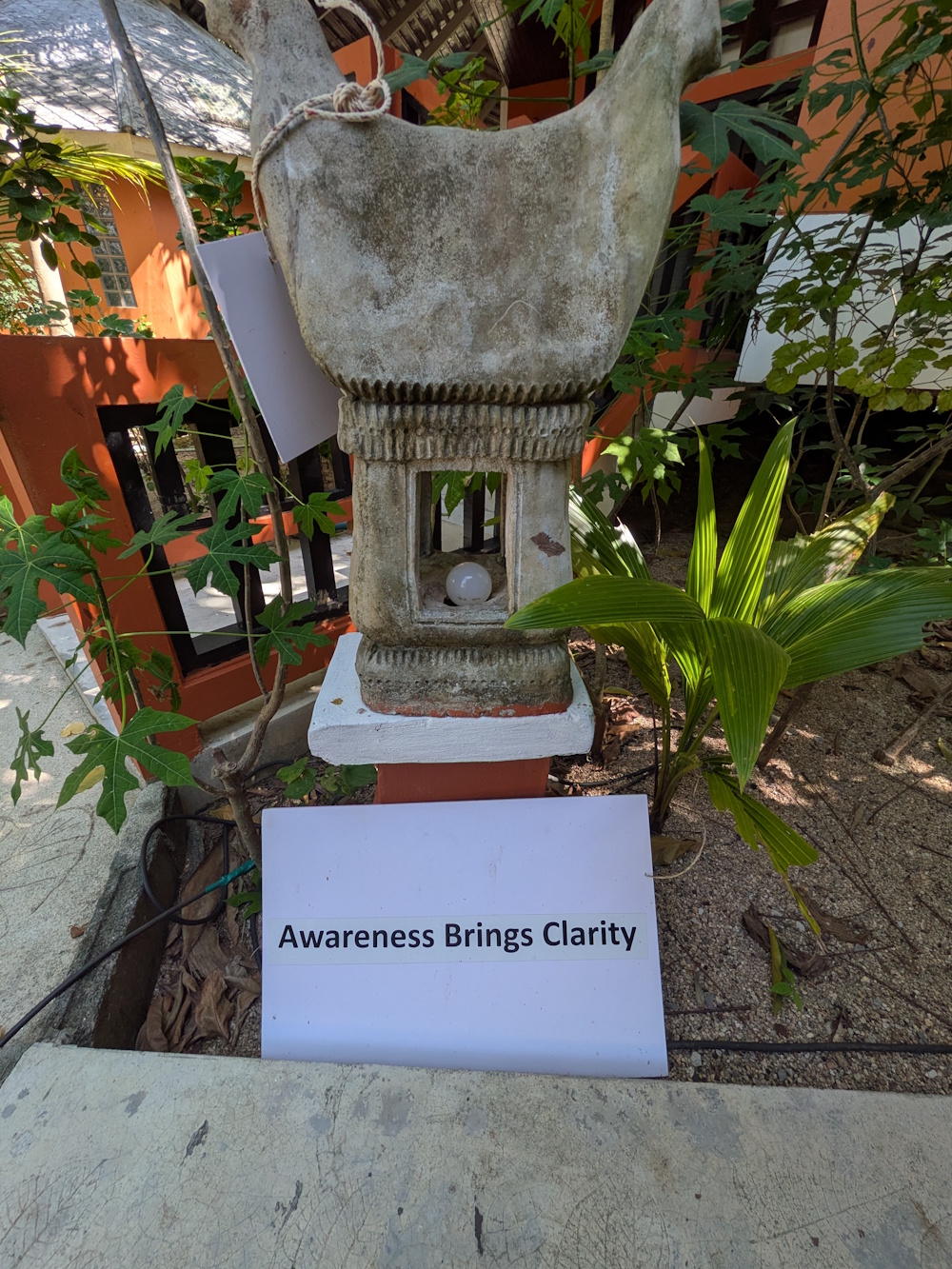
Over time, many people find they gain a greater understanding of themselves, feel more confident in their choices, and develop a stronger sense of self, helping them to navigate life’s challenges with greater clarity and resilience.
Bringing it all together
Again, I am conscious of the Western privilege associated with being able to experience the wellness opportunities afforded to overseas travellers in Thailand.
The purpose of highlighting them is to indicate what I sense, being here again, of a growing trend of people focusing on their mental and physical health, when ordinarily they might previously (and there’s nothing wrong with this) have sat on a beach for days.
Looking after ourselves can be hard, especially with the grind of life often being overwhelming. Difficulties in the past invariably inform our behaviours in the present, often impacting how we relate to others.
Wellness is a personal journey of caring for your mind, body and emotional well-being. Along the way, it’s natural to encounter challenges, uncertainty, or moments when you need extra support.
Therapy offers a compassionate, nonjudgmental space to slow down, explore your experiences, and reconnect with your strengths and values.
Whether you’re processing a difficult situation, working through a challenging period in your life or simply seeking a deeper understanding of yourself, the therapeutic journey can help you cultivate greater balance, resilience and a more fulfilling relationship with yourself and those around you.

Comments are closed